

Hoist and Winches
With us you will find a large assortment of Hoists and Winches, and we can provide almost everything. Our range of Hoists and Winches consists of, among other things, Chain Hoists, Lever Hoists, Electric Hoists, Air Hoists and Wire Rope Hoist. The program is handpicked from the absolute best suppliers and includes Hadef, DELTA, Verlinde, Ingersoll Rand, Tractel, Kito and our own brand YellowLine. We are happy to answer your questions and provide advice and guidance so that you get the right solution. See the full program for each category by clicking below:
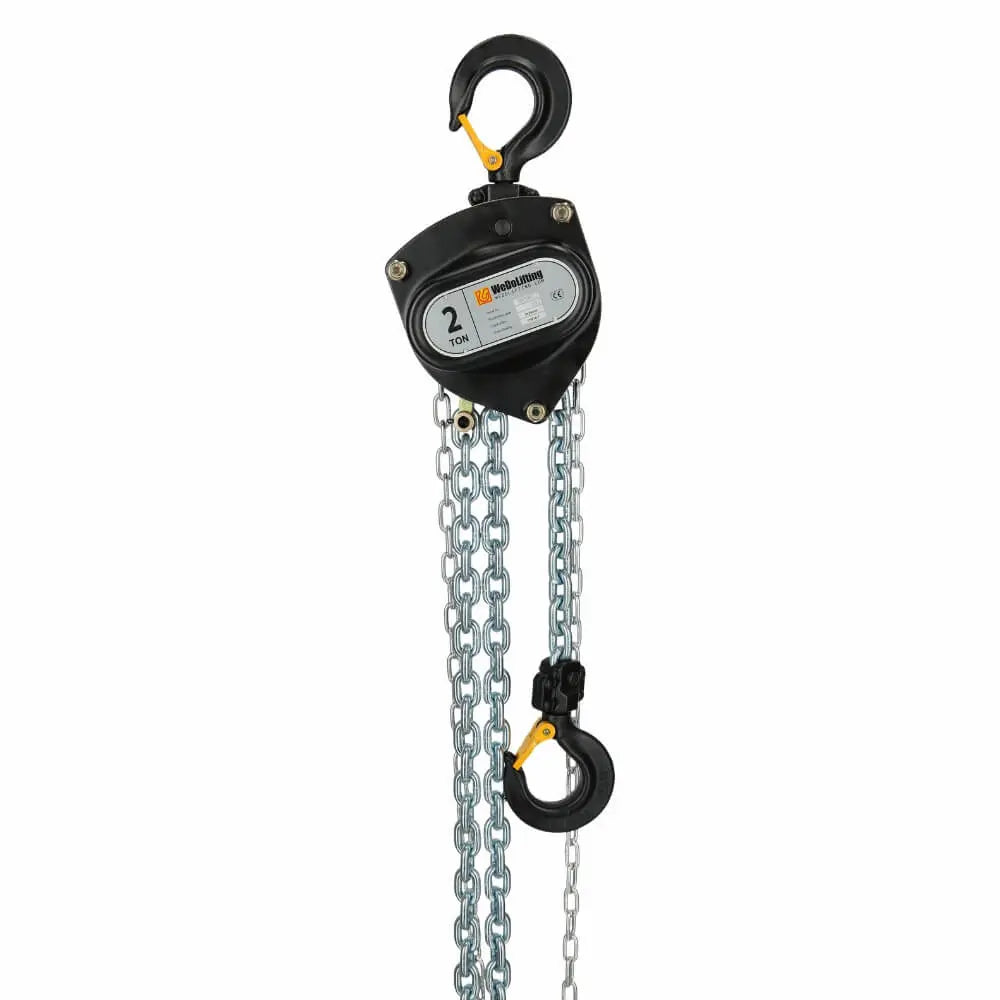
Chain Hoists
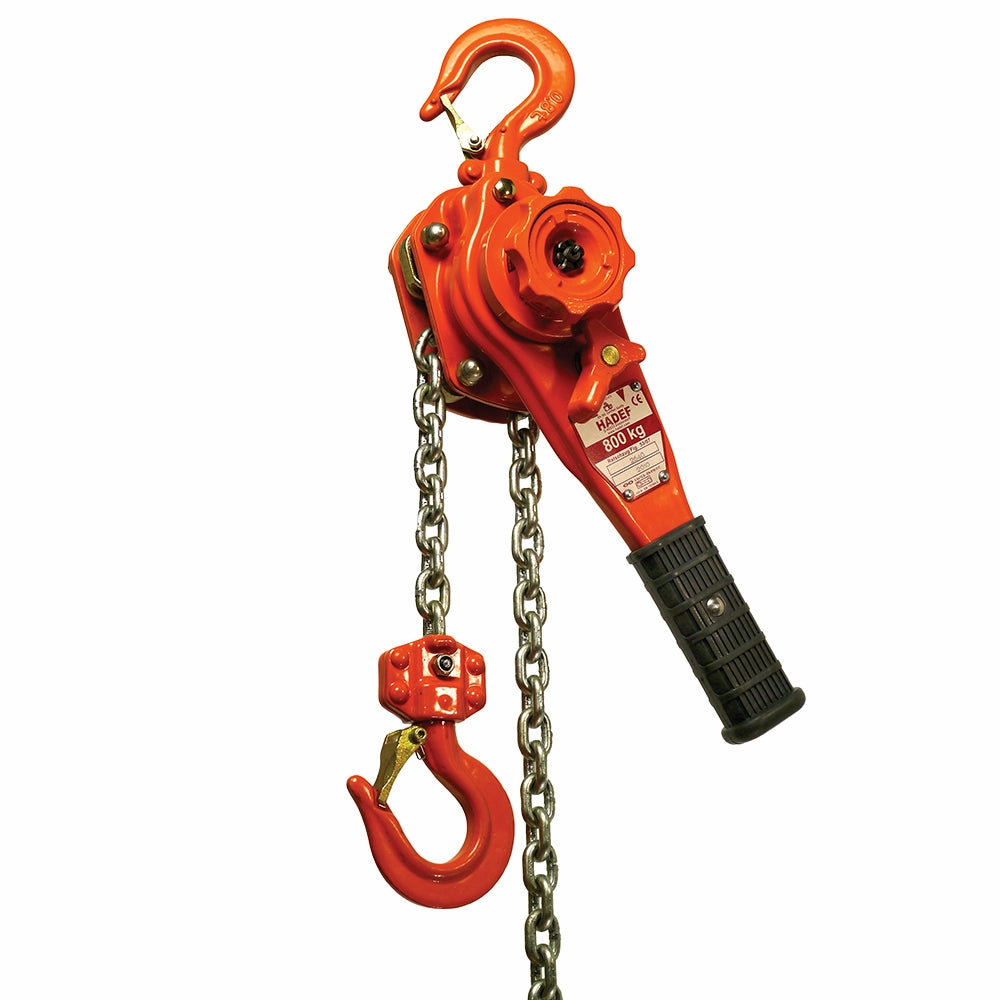
Lever Hoists
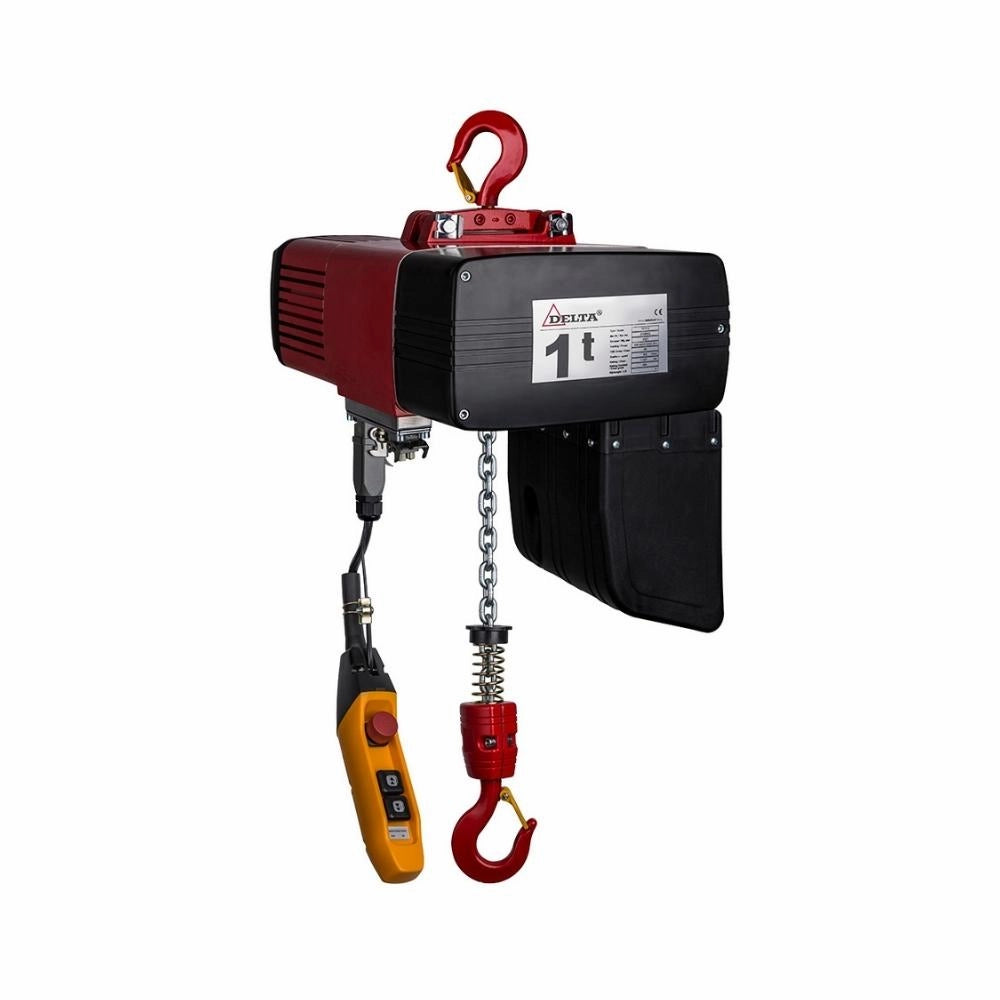
Electric Chain Hoists
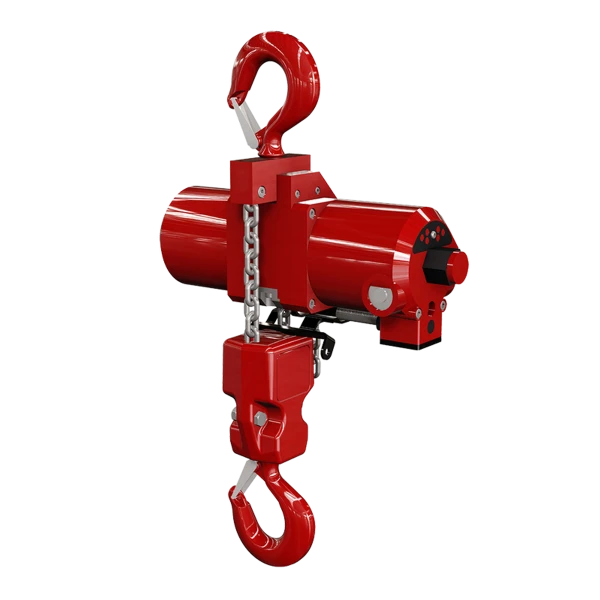
Pneumatic Hoists
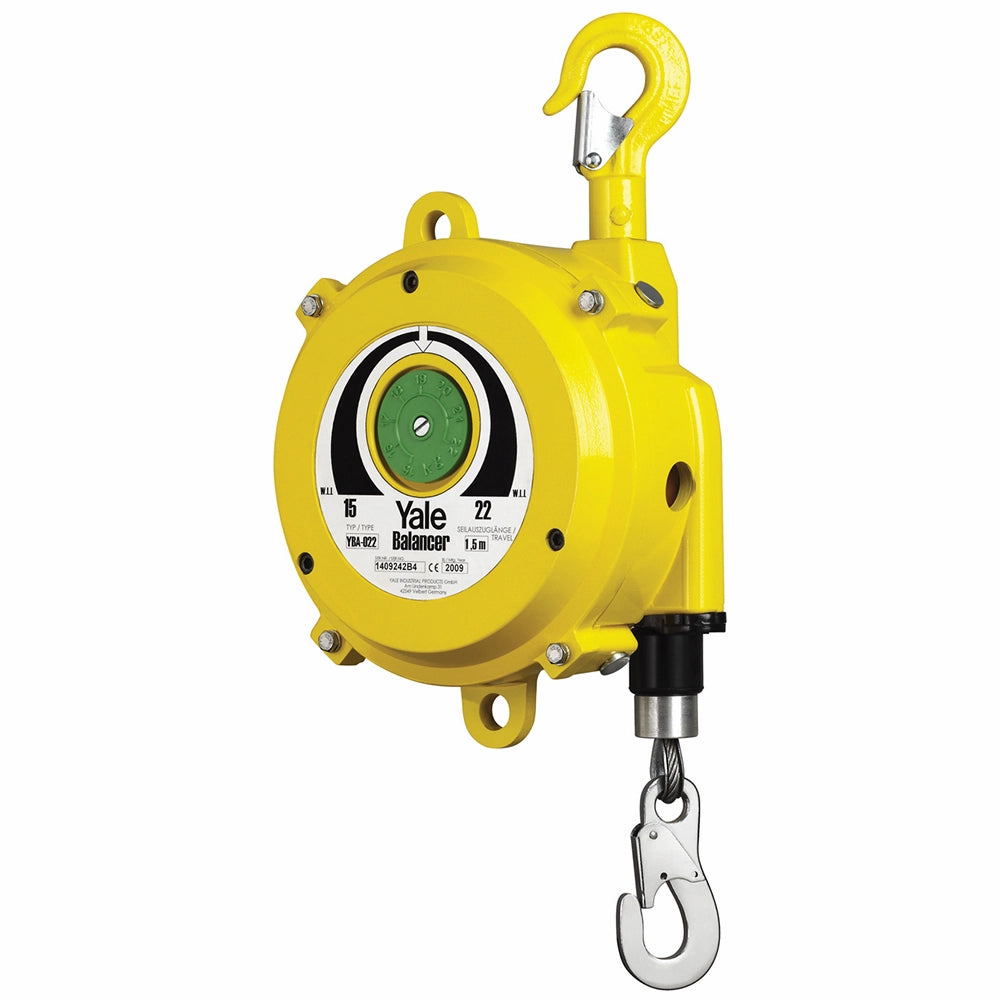
Spring Balancers
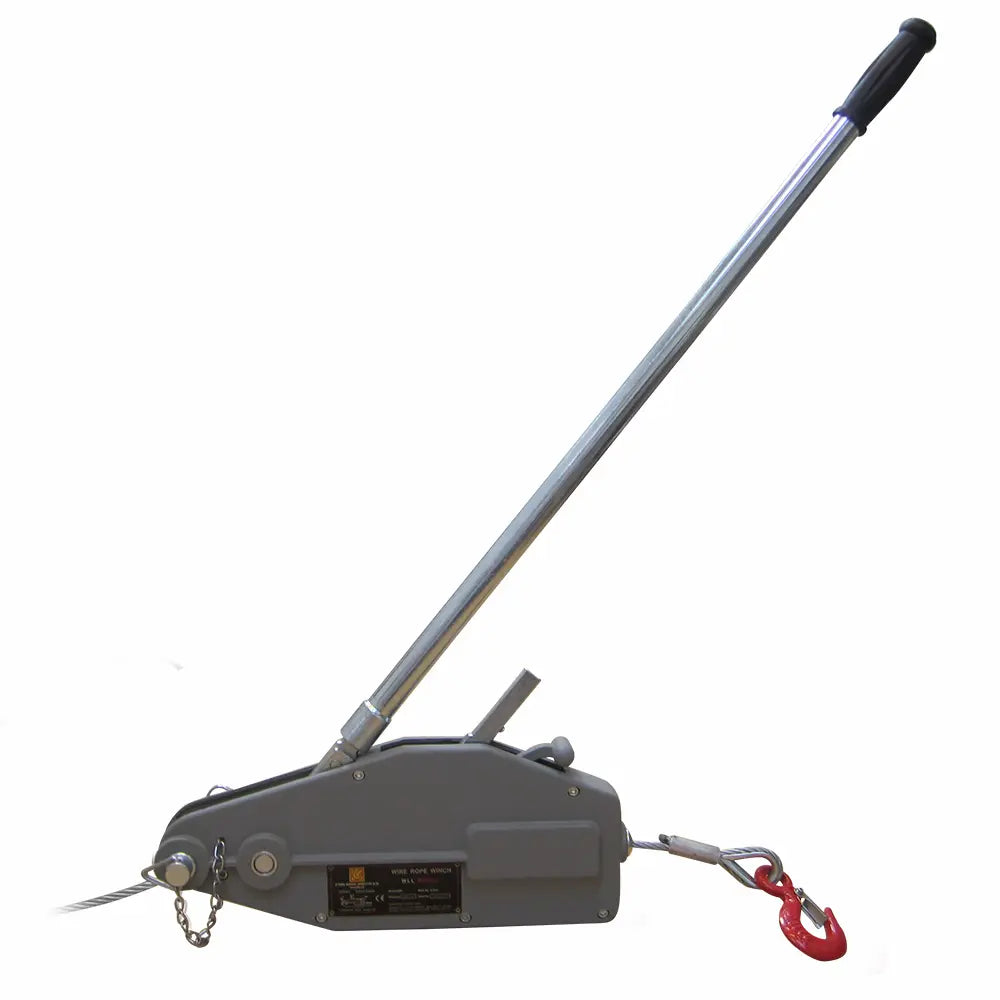
Manual Wire Rope Hoists
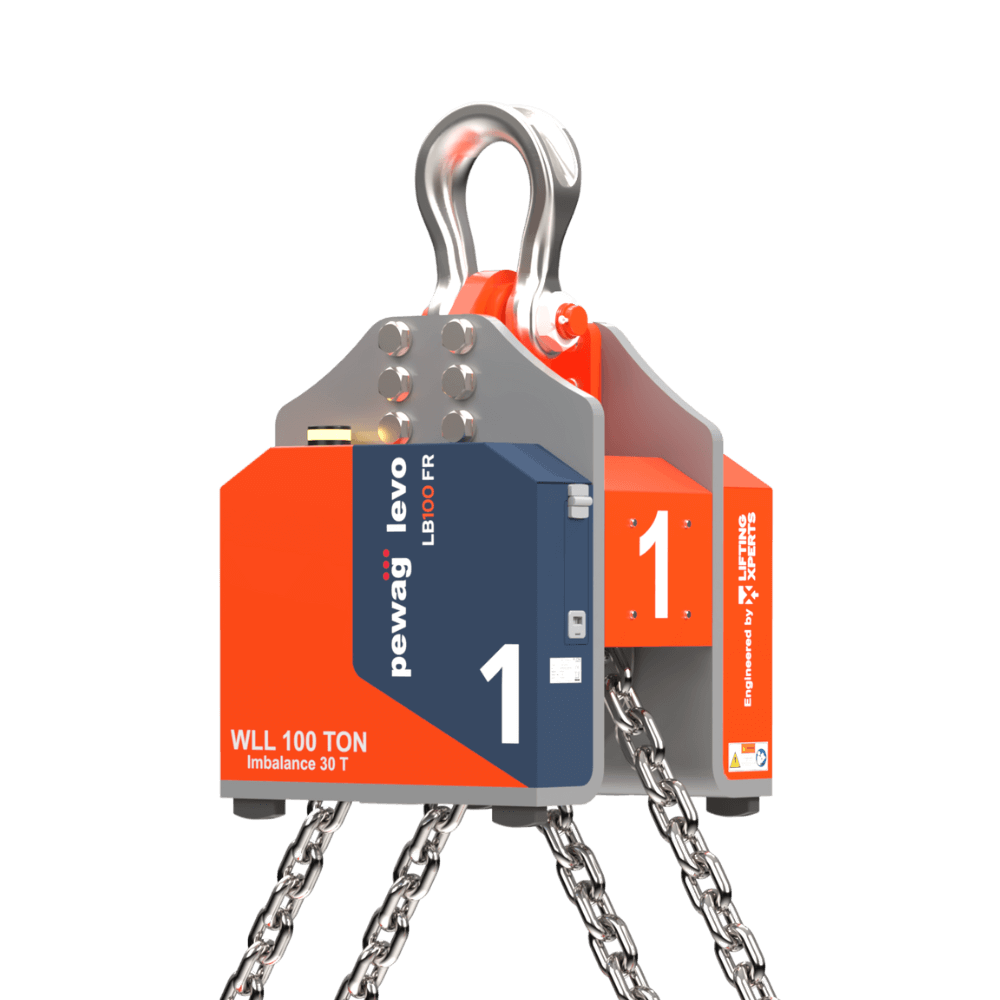
pewag levo Load Balancers
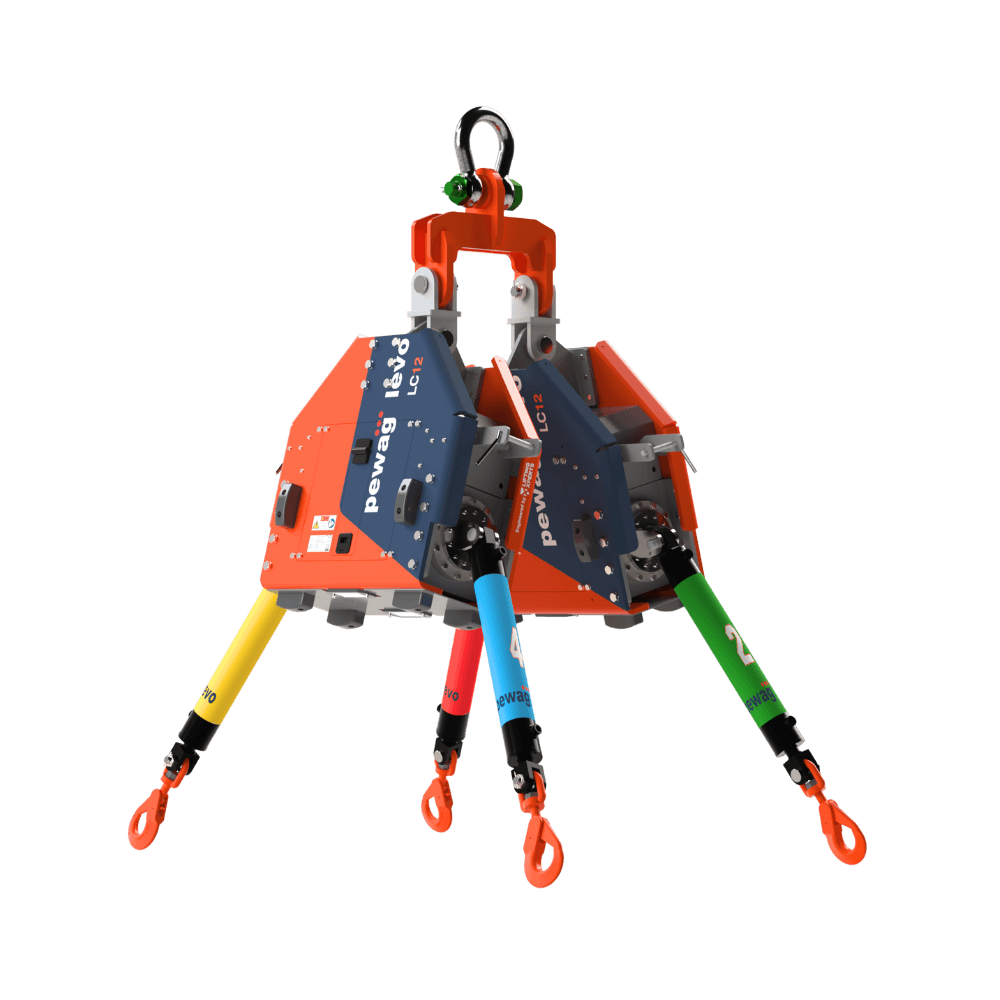
pewag levo Hydraulic Compensators
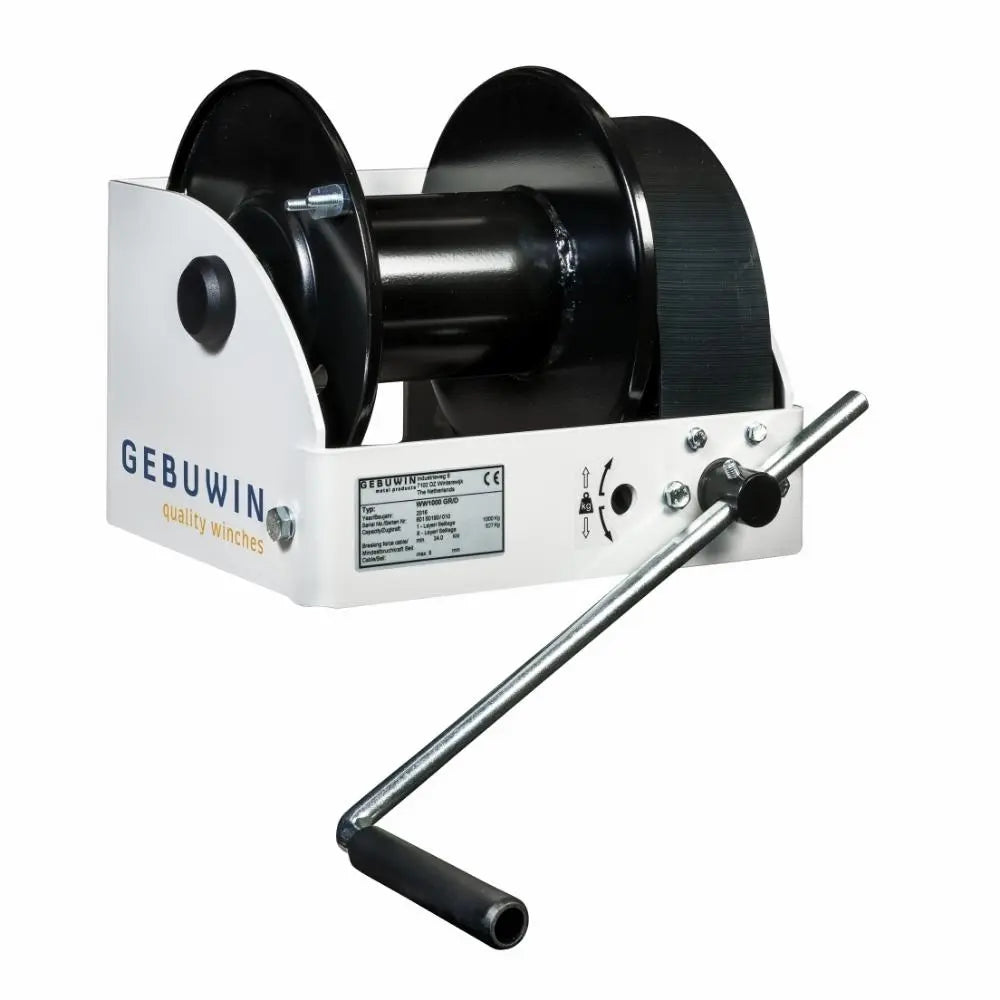
Manual Wire Rope Winches
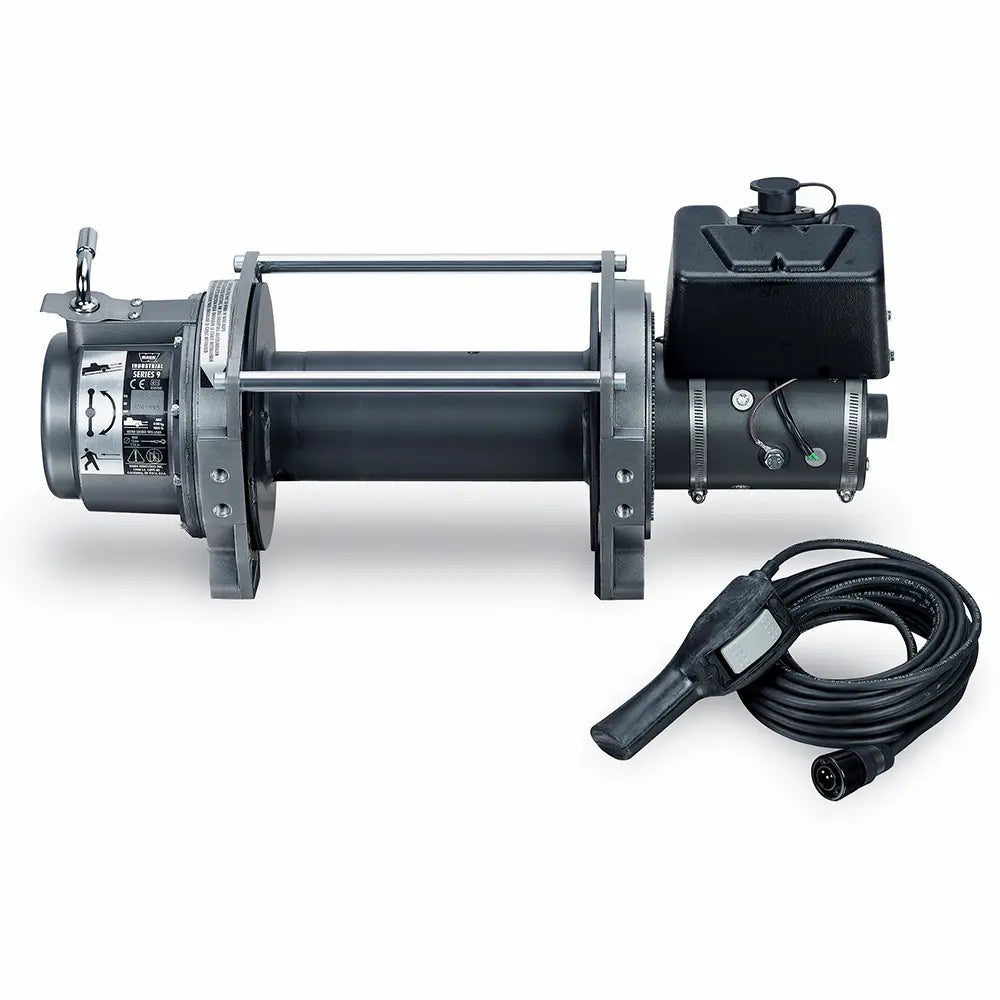
Electric Wire Rope Winches
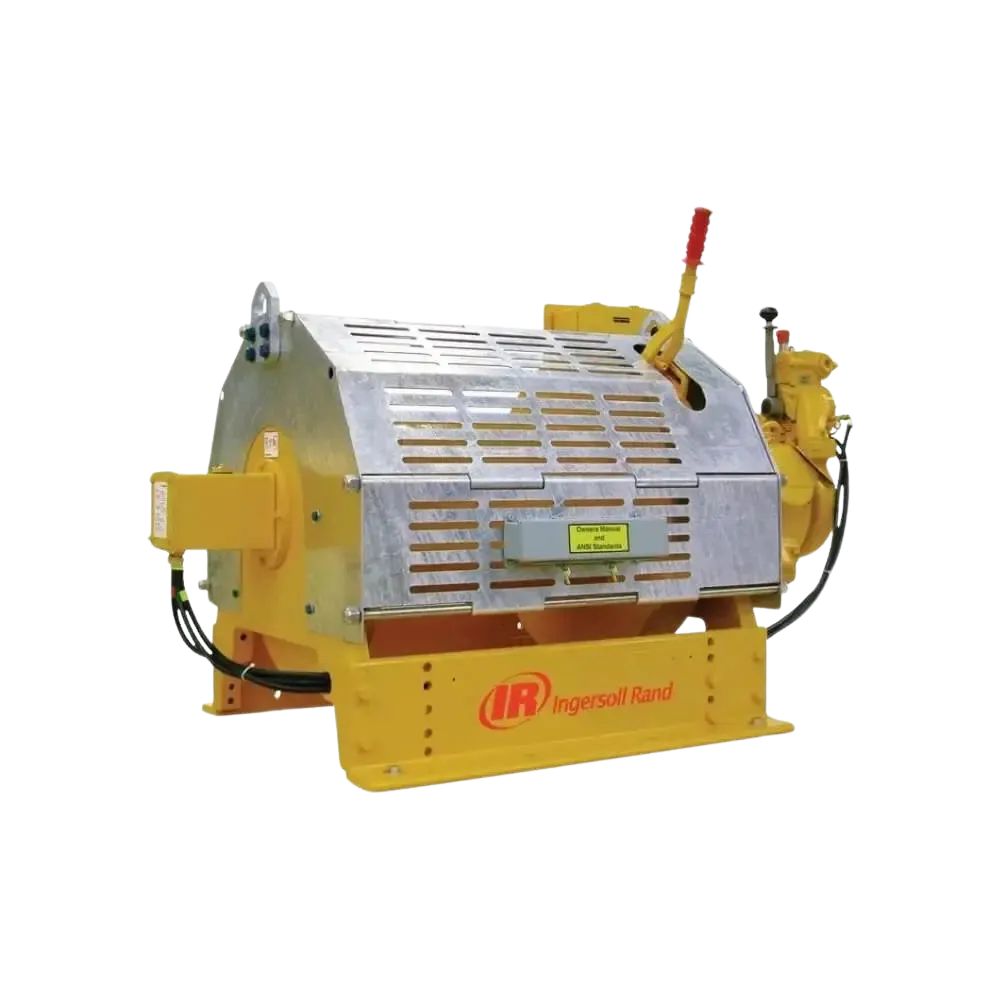
Hydraulic and Pneumatic Winches
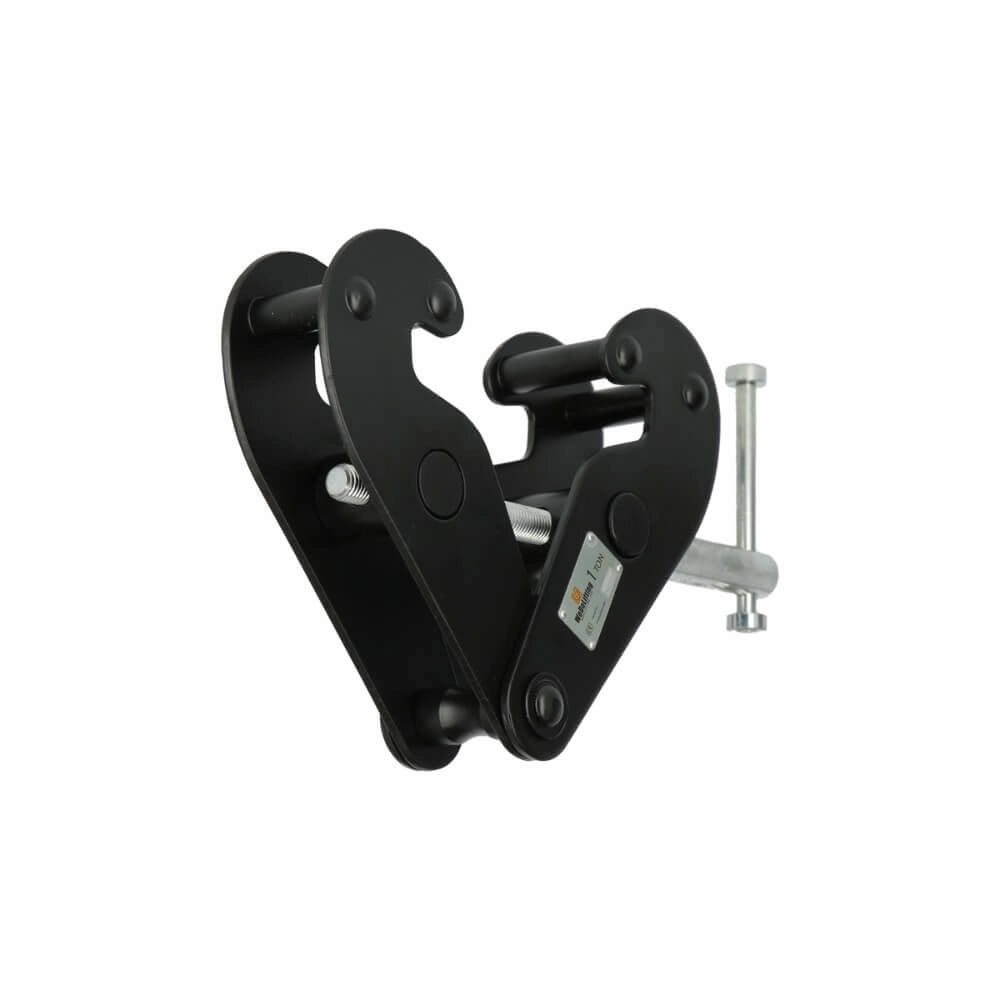
Beam Clamps
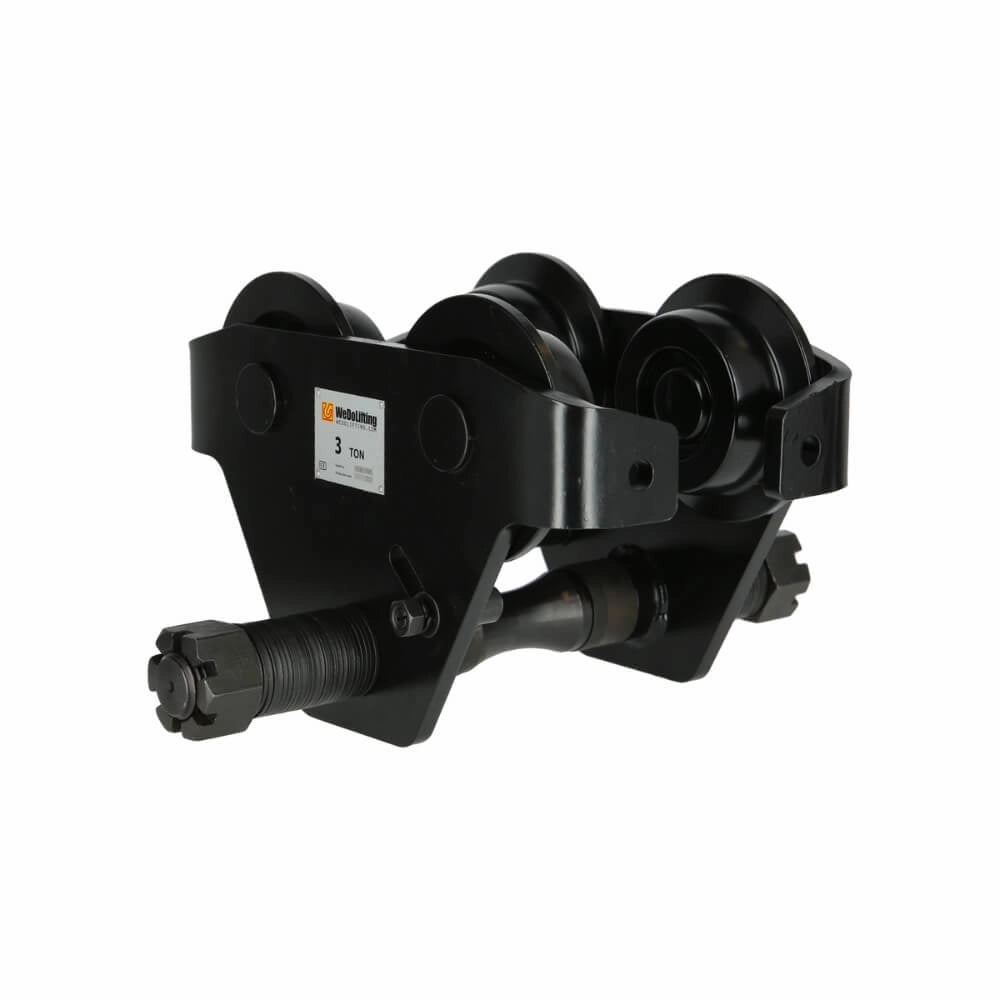
Trolleys
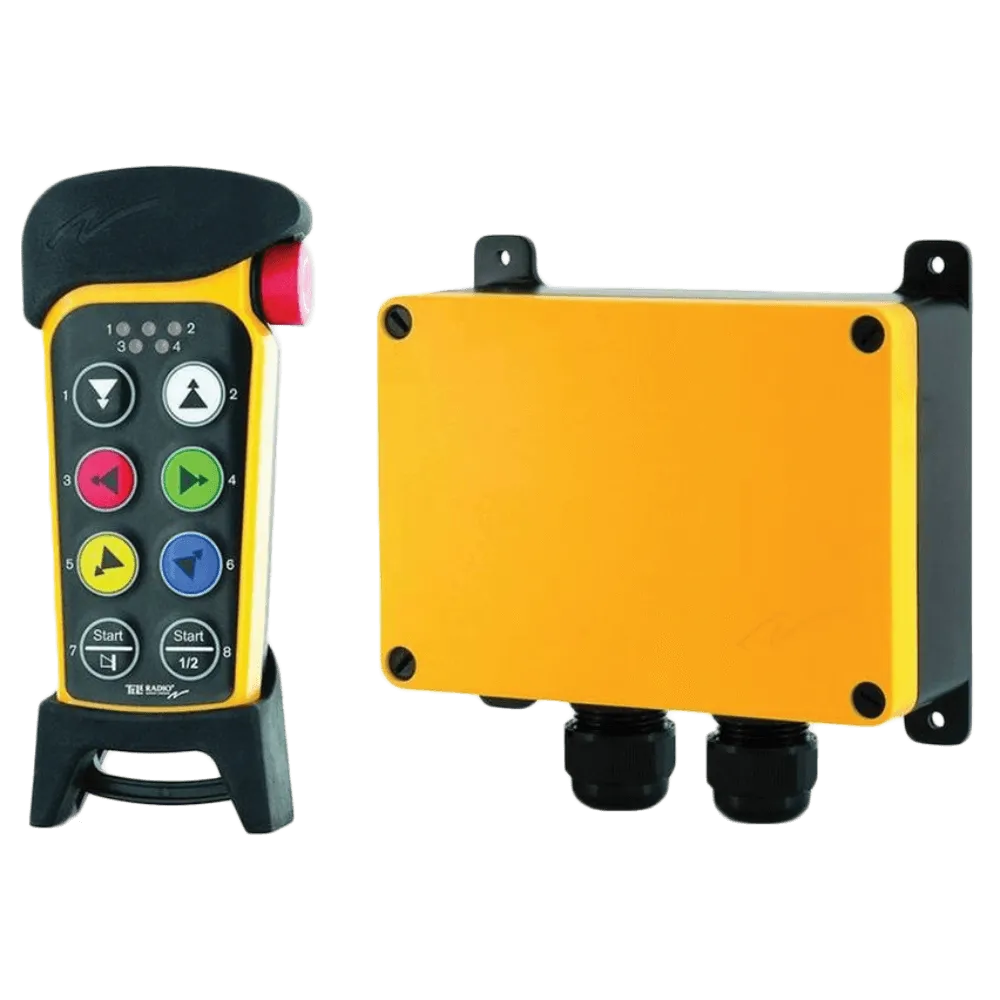
Remote controls for cranes, hoists and winches
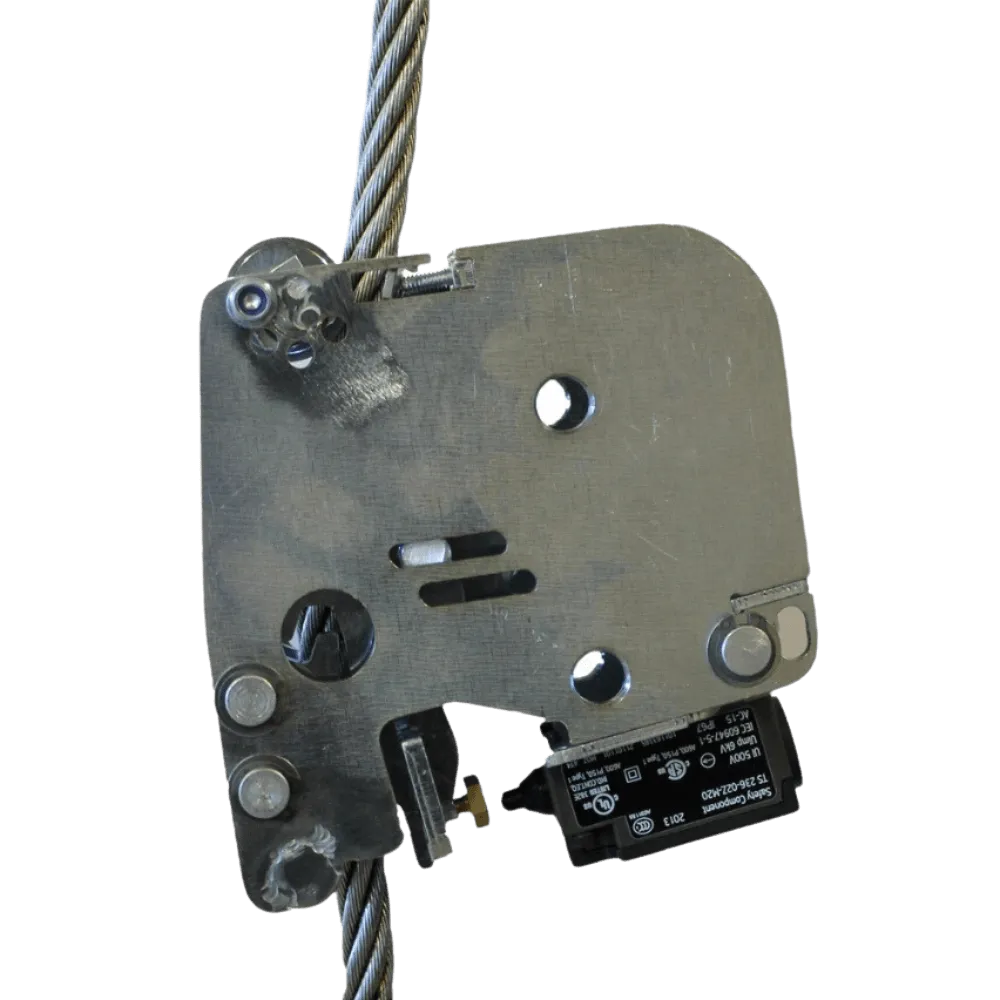
Overload protection
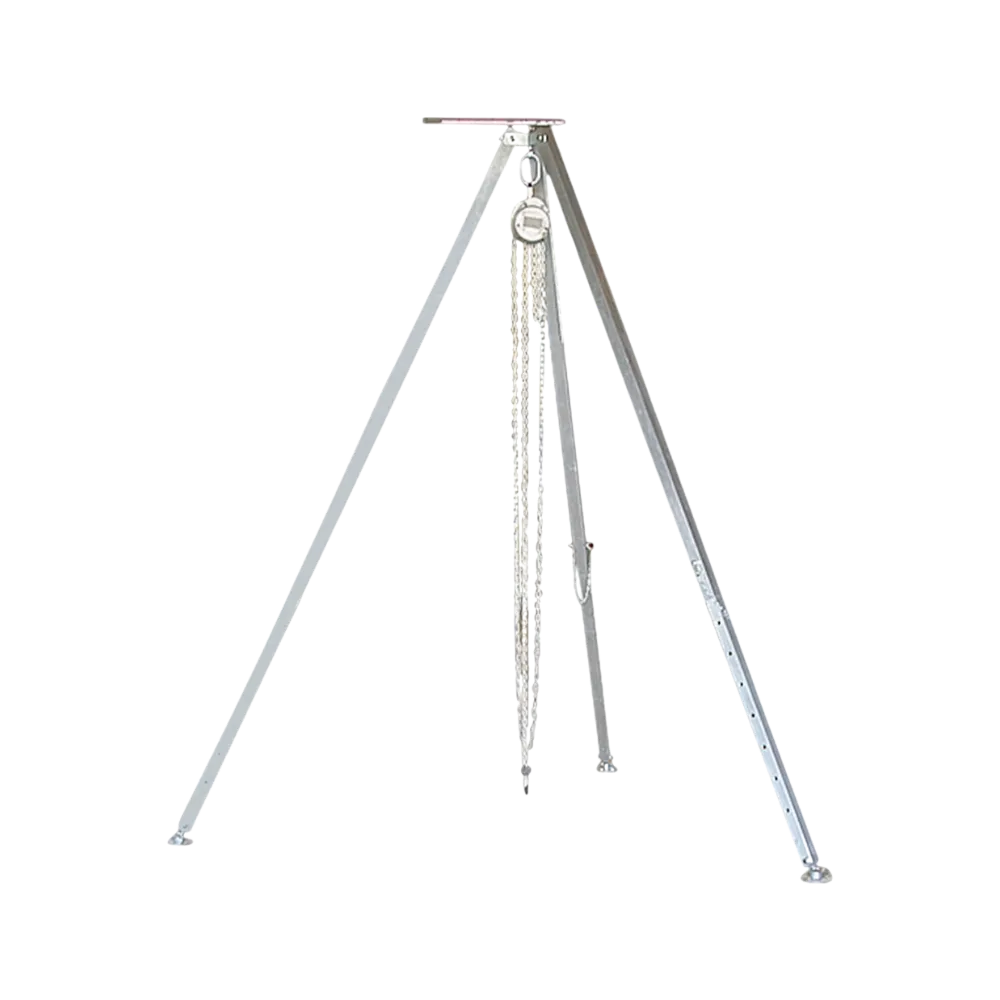
Tripods
More about Hoist and Winches
At Fyns Kran Udstyr we have sold Hoists and Winches since 1969. We have a large range and if you don't find exactly the product you need in the product categories above, we can certainly get it. In this category you will also find a number of products that can be used together with Hoists and Winches, e.g. Remote Controls that allow for wireless control of both Hoists and Winches - normally, an operation that is connected via cable is often used.
How to choose the right waist or game
Before choosing your product, there are a number of things that are good to consider for both Hoists and Winches. First of all, you need to think about whether you will be lifting or pulling the load. Not all Winches are approved for lifting. Products that are suitable for lifting always have a WLL (Working Load Limit) specified - if this factor is not specified on the product, you can almost guarantee that you must not use the product for lifting. In addition, it is a good idea to consider how long the chain or wire should be on the product. Note: many products have specified a standard length that they often come with. However, it is often possible for us to deliver the product with a longer chain or wire.
Legislation on Hoists and Winches
There are a number of rules for the use of hoisting equipment and winches, the rules cover, among other things, the area in which they are used as well as use and inspection.
Remember, if you need help, good advice or guidance to get just the solution you are looking for - call us now on +45 7015 2015. We have over 100 dedicated employees who are ready to advise you on the best solution.
What is a Hoist
A Hoist makes lifting and pulling heavy possible by means of a specific leverage. A Hoist can, depending on the type, be manually operated or powered by electricity or air (pneumatics). The Hoist is with a chain, steel wire or a special type of fiber rope that runs around the gear and down into the bottom hook that is hooked into the load.
More about choosing a Hoist type
Hoists are often, regardless of type, suspended or built into a trolley that is mounted on the crane type in question. The hoists can of course be used at a fixed suspension point, however, they are by far most often mounted in a Jib Crane, Overhead Crane, Gantry Crane, Mobile Gantry Crane or Hoist Tracks. If the Hoist is not mounted in a trolley, it can be mounted in the oist top hook, however, some hoist types are supplied with a hanger.
How much does a new Hoist cost?
There are many factors that have an impact on the price of the Hoist - regardless of the type of Hoist. Some of the most decisive factors besides the type are: lifting capacity (WLL), lifting height, operation etc.-
Get an overview of the different types of Hoists and Winches
Manual hoists:
- Lever Hoists
- Chain Hoists
- Manual Wire Rope Hoists
Electric hoists:
- Electric Chain Hoists
- Electric Wire Hoists
Air hoists:
- Pneumatic Hoists
Manual Hoists
Manual Hoists can primarily be divided into three types.
Chain Hoists - On a Chain Hoist, the chain runs over the gearing of the hoist. The gearing transfers the forces to the hoist's load chain. The load chain gives the hoist the specified lifting height. Our model program has a number of standard lifting heights, e.g. 1.5, 3 or 6 metres, but we can of course supply the hoists with just the lifting height you want.
Lever Hoists - unlike the hand chain hoist, the user's forces are transferred via a mounted handle. Here, the forces are fed again through a gear to the ratchet detail's load chain.
Manual Wire Rope Hoists – here the name almost speaks for itself. The wire hoist has many features in common with the Lever Hoist where the user 'transmits' the power via a handle. Unlike the chain of the Lever Hoist, the Manual Wire Rope Hoists is equipped with steel wire. Wire hoists are often used not only for lifting but also for pulling. Note that there are manual and electric wire hoists that are exclusively designed for pulling - they must not be used for lifting.
Electric Chain Hoists
Unlike manual hoists, an Electric Chain Hoist gets its power from the electricity they are supplied with. The most sold type among our customers is 400 volts, 50 Hz, but we also have types that are supplied with 230 volts, 50 Hz, which you know from a regular socket. Electric Chain Hoists are either equipped with one hoisting speed or two speeds, which is the most common choice. In addition, the Electric Chain Hoist is of course also equipped with a load chain that gives the hoist the desired lifting height. As a customer, you will find the most common lifting heights on each model, but all hoists can be supplied with almost any imaginable height as required.
Electric Chain Hoists - this type of hoist is most often found in Overhead Cranes in larger dimensions. These are of course also supplied with power via electricity, but are equipped with steel wire opposite the chain. This is an advantage of large cranes as you can achieve both higher hoisting speeds and higher capacities.
Choice of operation on Electric Chain Hoists and Electric Wire Hoists
Most often, electric hoists are supplied with a control pressure that is connected to the hoist via a cable. The steering pressure contains buttons to control the hoist including an emergency stop. However, many choose to purchase a remote control for the hoist - in addition to the freedom of movement - a remote control also gives the opportunity to get a safe distance from the load. Contrary to electric chain hoists - electric wire hoists are supplied almost exclusively with a remote control, as they are partly located far from the user and the hoist is most often part of a motorized crane.
Pneumatic Hoists
An Pneumatic Hoists gets,their power from air under pressure. The advantages of these hoists are that they are particularly good for lifting with intensity and high lifting speeds. They are therefore very good when the lifting has to be done a great many times in a relatively short period of time. Pneumatic Hoists are also often used in aggressive environments, e.g. where Atex approvals are required. Examples of these environments that can occur are, for example, marine/offshore, medicine or the food industry.
What should I check before using a hoist?
There are five essential points you should check before using a hoist:
- The statutory inspection has been carried out within the last 12 months - you can easily find an answer to this via the label with which the expert should mark the waist.
- The hoist must be CE marked.
- The hoist must have a specified WLL (working load limit or lifting capacity). If the hoist is not marked with this, it should only be used for pulling.
- After a visual inspection, you as the user find no significant damage etc.
- The user must be over 18 years old
Rent a hoist as an alternative to purchase
Do you need a hoist in some exact specifications for a certain period of time? Then a really good solution could be to try out our rental department, where you can rent lifting equipment, e.g. hoist ! Our rental department has a wide range of different hoist types, in addition the hoists are often equipped with a lifting height of, for example, 40 meters - so they can cover the needs you may not experience every day. In addition to a customized range, there are also the normal benefits of using our rental department, such as the fact that you don't have to make a small investment, we take care of maintenance, and of course you receive the equipment newly certified with associated EasyCert documentation.
Spare parts for hoists
It's not just new hoists that we can help with at Fyns Kran Udstyr. We also have a large number of spare parts in stock and a huge supplier network. Should it therefore happen that you need a pal set or a new top hook or a bottom hook - then our team is ready to help you find the right spare part.
Service and statutory inspection of hoists
Remember that hoists, like all other Lifting Gear and Lifting Equipment, must have the statutory inspection carried out at least once every 12 months. We have more than 30 service units covering whole Denmark. You can see more about the advantages of choosing us for inspection of Lifting Gear and Lifting Equipment and Crane Service. Of course, it is also possible to hand in your hoist - regardless of type, in one of our branches in Aalborg, Esbjerg, Odense and Copenhagen.
