

We have the products that you need to secure loads and thus carry out a safe transport of your goods. It is regardless of whether the transport takes place on land, by sea or in the air. We have one of Denmark's widest selection of products for Load Restraint and Lashing. The range includes e.g. Rachet Straps, Chains For Lashing, Load Binders and Fittings For Lashing and the products are indispensable when the goods must be securely fastened. Our products are like all other products in our range in good quality and with the right lashing strengths - they therefore make the basis for a safe transport of your load.
Load Restraint
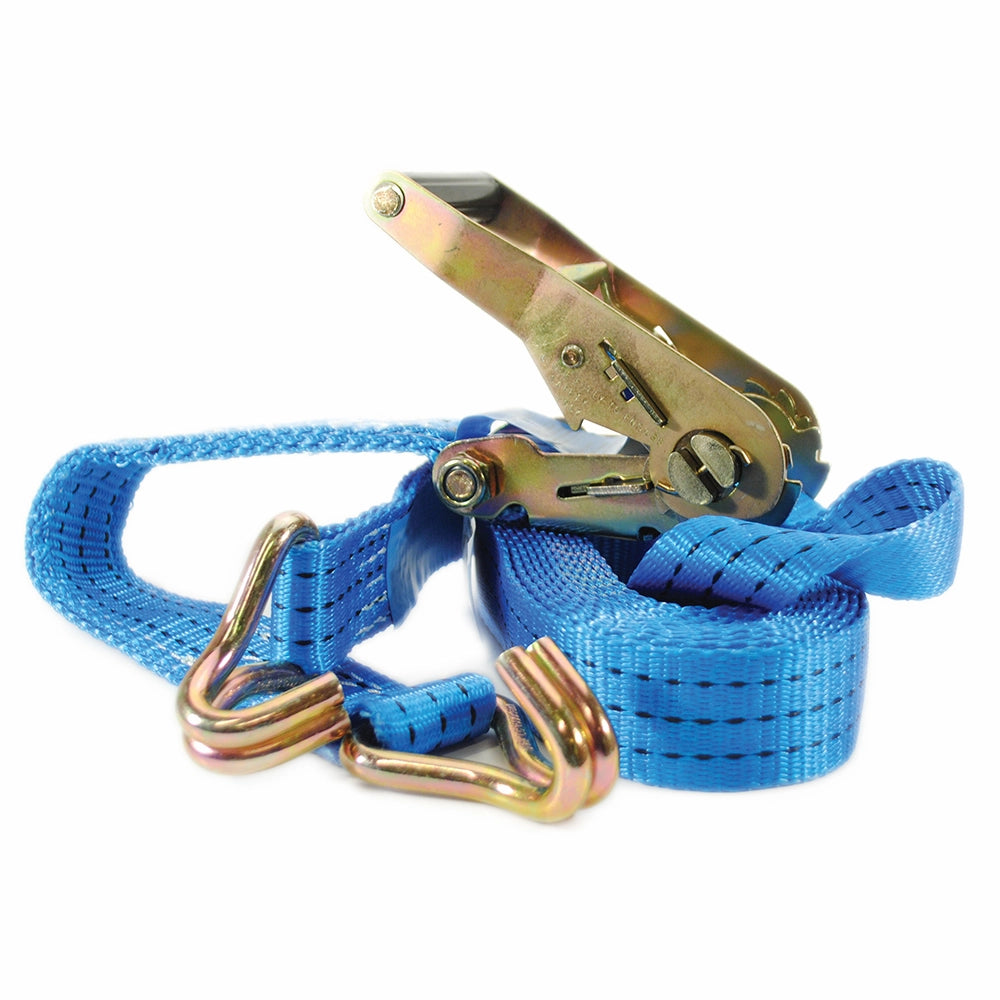
Ratchet Straps
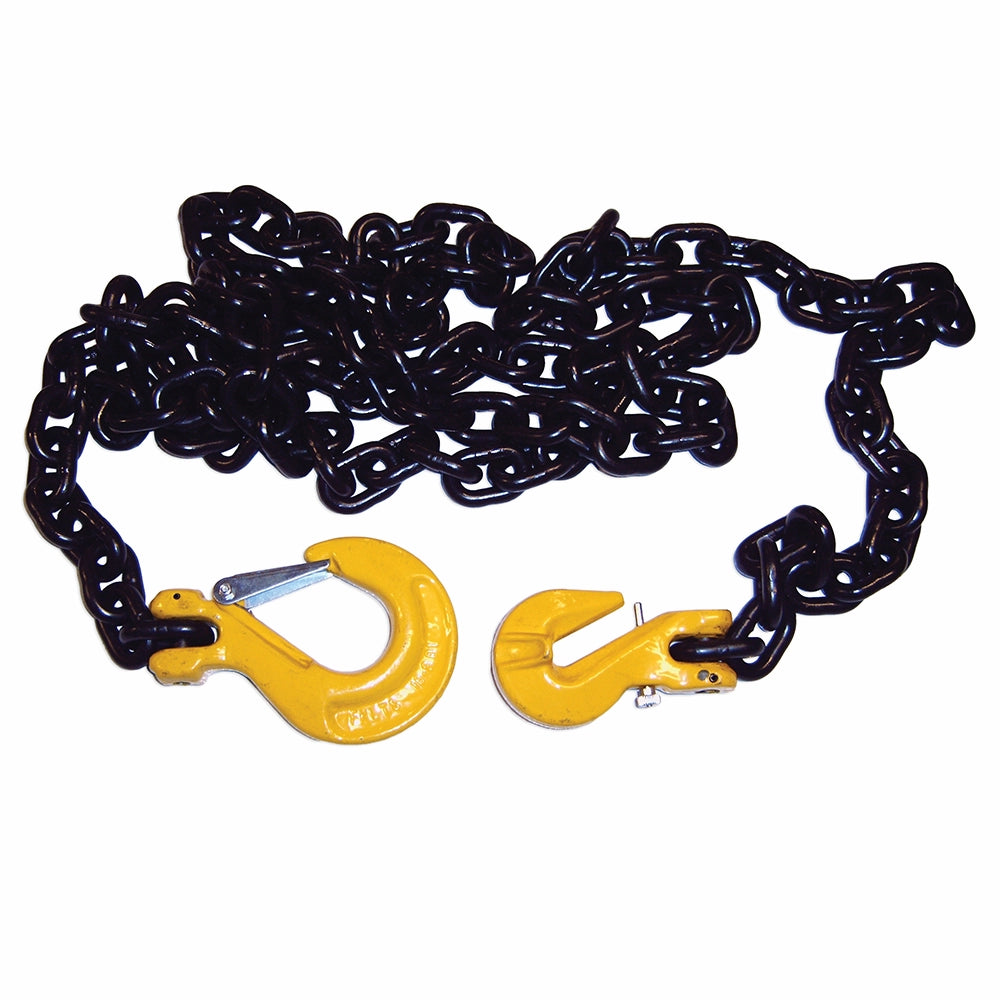
Chain for Lashing
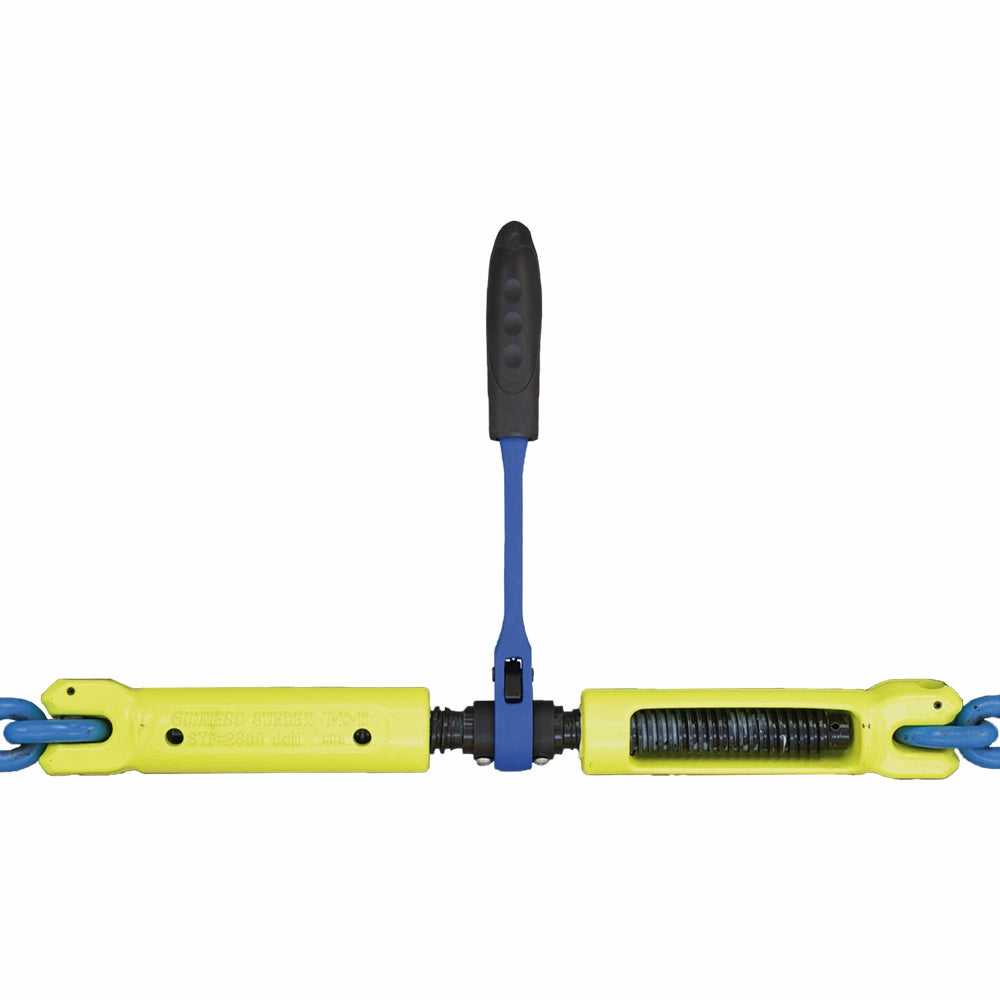
Load Binders
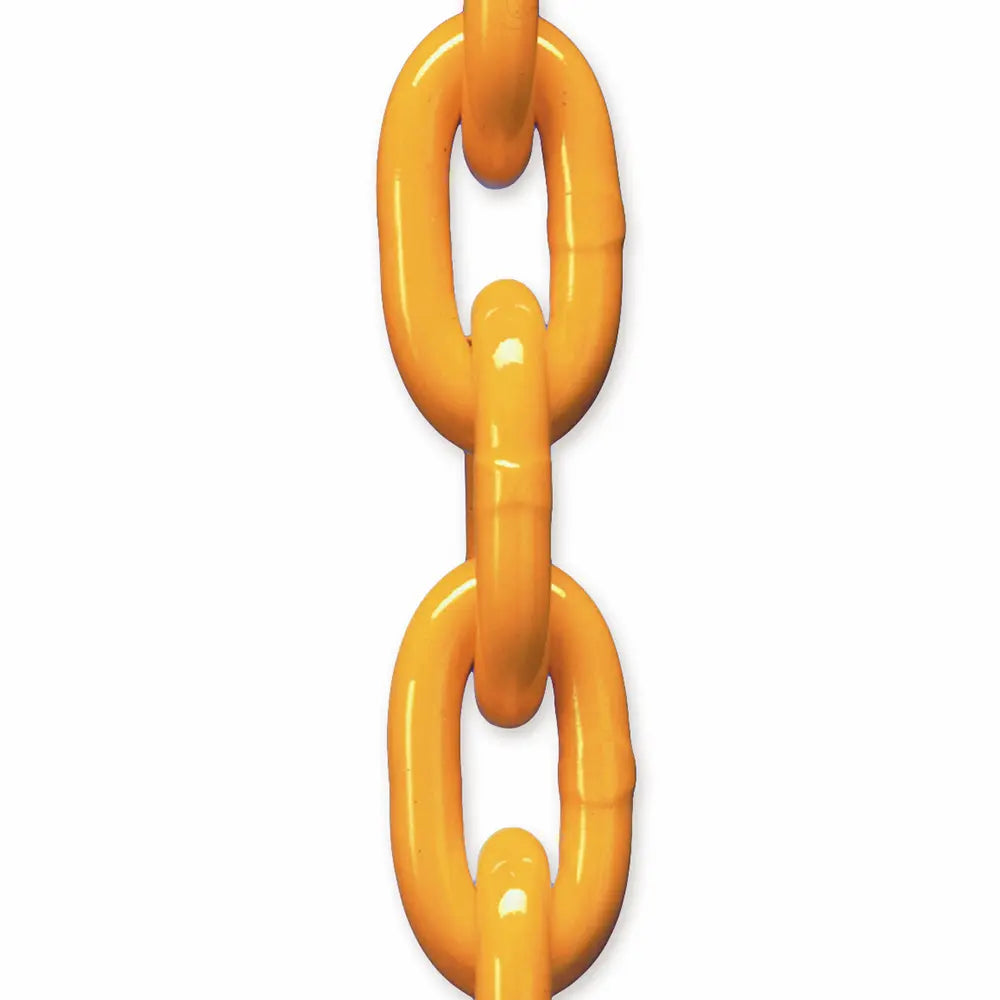
Chains for Lashing
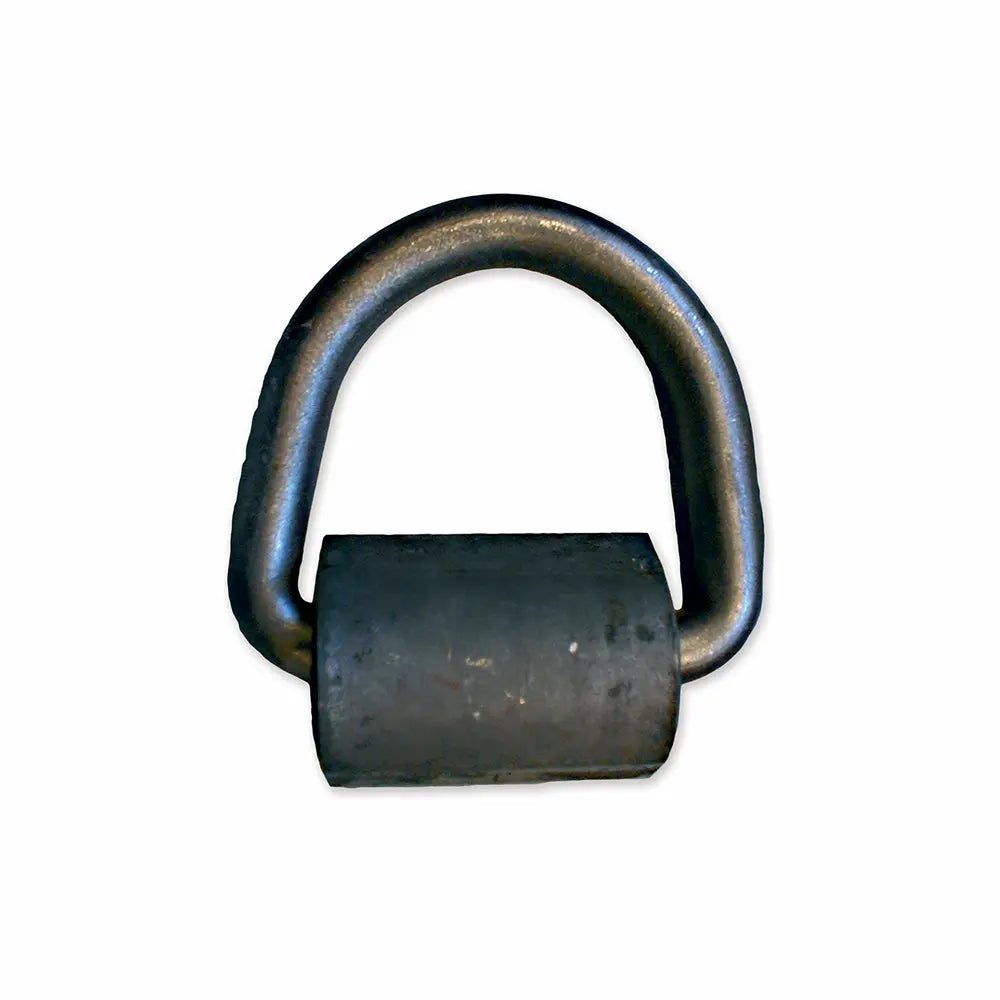
Lashing Fittings
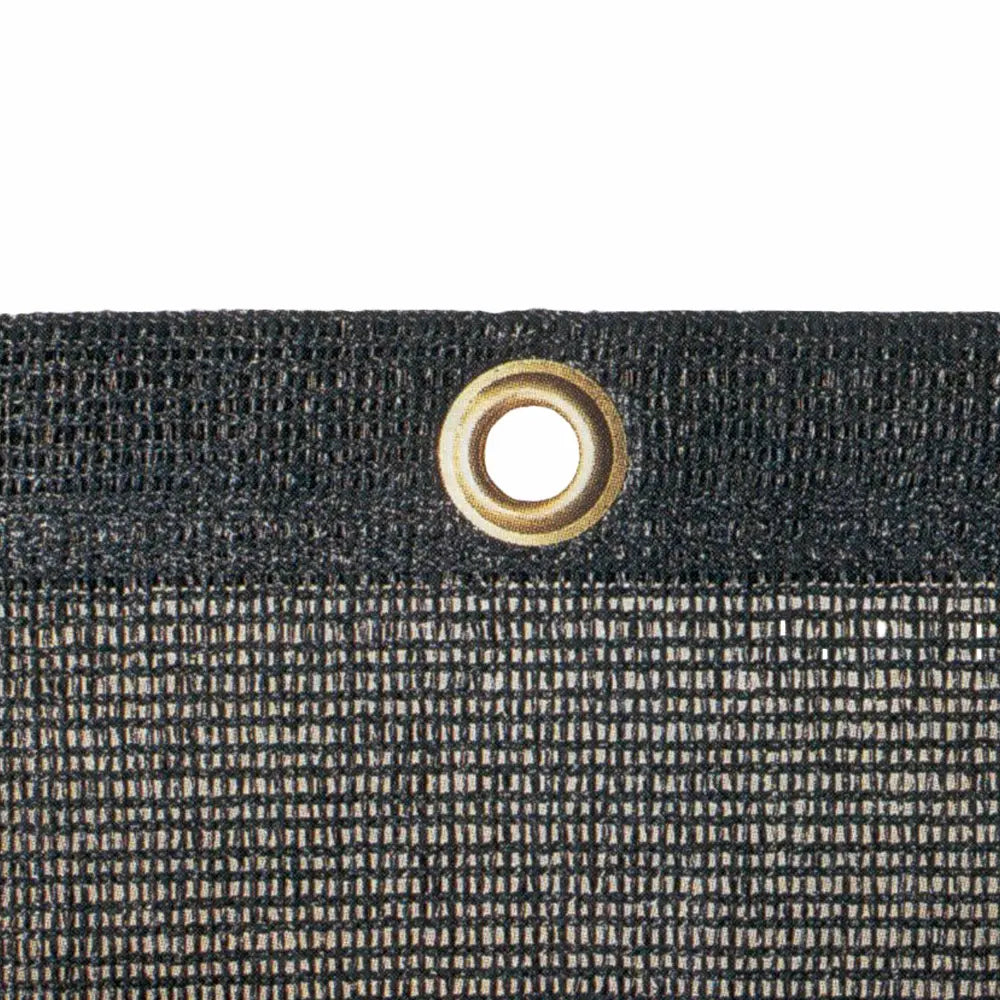
Net for Load Restraint
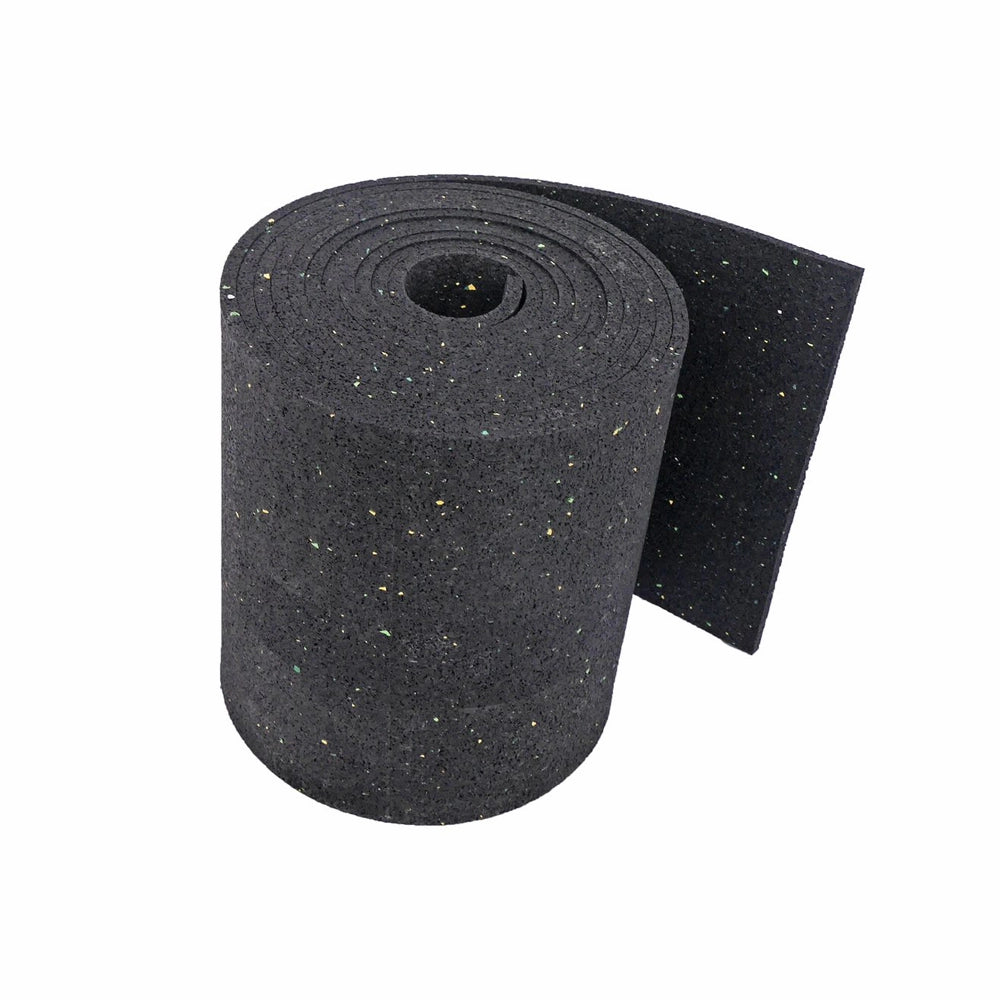
Anti-slip mats
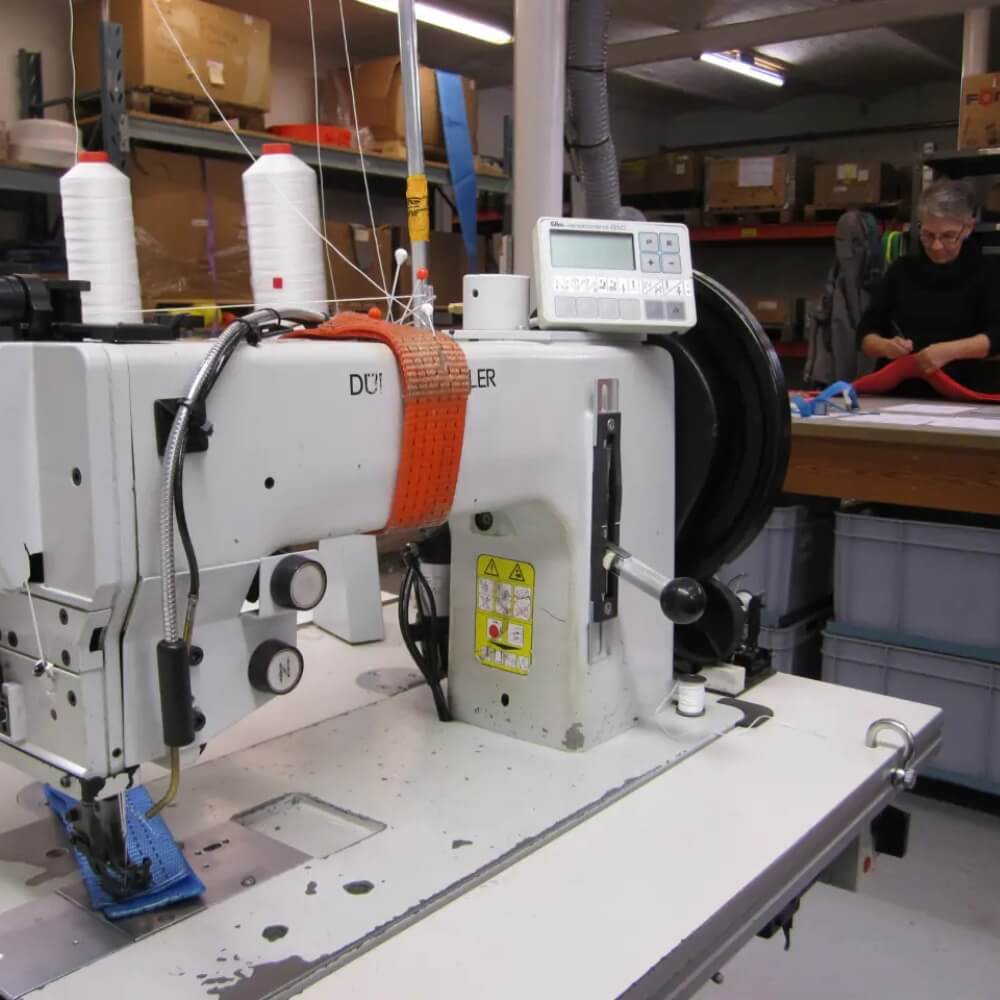
Sewing workshop
More about Load Restraint
Securing loads is important - the Road Traffic Act requires that goods must be placed in such a way that they cannot pose a danger to people or cause damage to property. It must not be able to drag or fall off the road, cause disturbing dust formation or similar inconvenience, make traffic difficult or cause unnecessary noise.
It all starts with the means of transport where the load or goods must be secured
If the means of transport is not approved according to the EN-12642 standard, the manufacturer indicates which forces/influences the means of transport can cope with. If the manufacturer has not specified the strength of the front end, rear end and sides, they are not considered to be able to withstand any kind of force. The lashings must therefore only absorb all the forces affecting the goods.
Requirements for Lashing Equipment for Load Restraint
Lashing Gear, e.g. Ratchet Straps, Load Binders etc. must have a sticker attached indicating LC = Lashing Capacity, SHF = Standard Hand Force and STF = Standard Tension Force. The values are often given in daN (dekaNewton) – this is because when securing loads, you are talking about forces and not weight, therefore you give the values in Newtons and not kilograms as you normally know from Lifting Gear. To simplify the conversion, we often recalculate as follows (1 daN = 10 Newton = 1 KGF) Other good things to have with you are: manufacturer, production date, material, possibly batch number or other production tracking, information on how much elongation there is at the LC (lashing strength) – this often must not be higher than 7%, lengths and text saying with NOT FOR LIFTING (preferably in several languages) – it is strictly forbidden to use lashing gear for lifting.
Lashing methods
There are different lashing methods: Assault Lashing, Loop Lashing, Round Thorn Lashing, Halter Lashing and unblocking / bracing. You can contact and hear more about the various lashing techniques.
What must load securing be able to withstand
According to the standard EN 12195-1:2010, Load Restraintmust be able to hold up to 0.8 x the forward load weight. 0.5 x the load weight to the rear and to the side. 0.6 x the load weight at risk of tipping to the side.
Friction when securing loads
In physics and engineering, friction is a resistance to movement. Friction is measured in my. The equation is Traction/Weight of goods=friction. Different material combinations have different frictions, e.g. plastic pallets against steel plates have a friction of 0.15, while rough concrete against wooden beams has a friction of 0.70 my.
It can therefore be quite complex calculations. The mixture of how much the load must be lashed in the different directions and the friction can therefore result in some rather complex calculations. A really good guide for this is e.g. The mini-guide on Load Restraint for road transport from the publisher TUR. In the guide there are tables with the different lashing methods and you can therefore see how much the different lashings can hold at different frictions. In addition, you can look up and see how much friction surfaces in different materials have against each other.
